
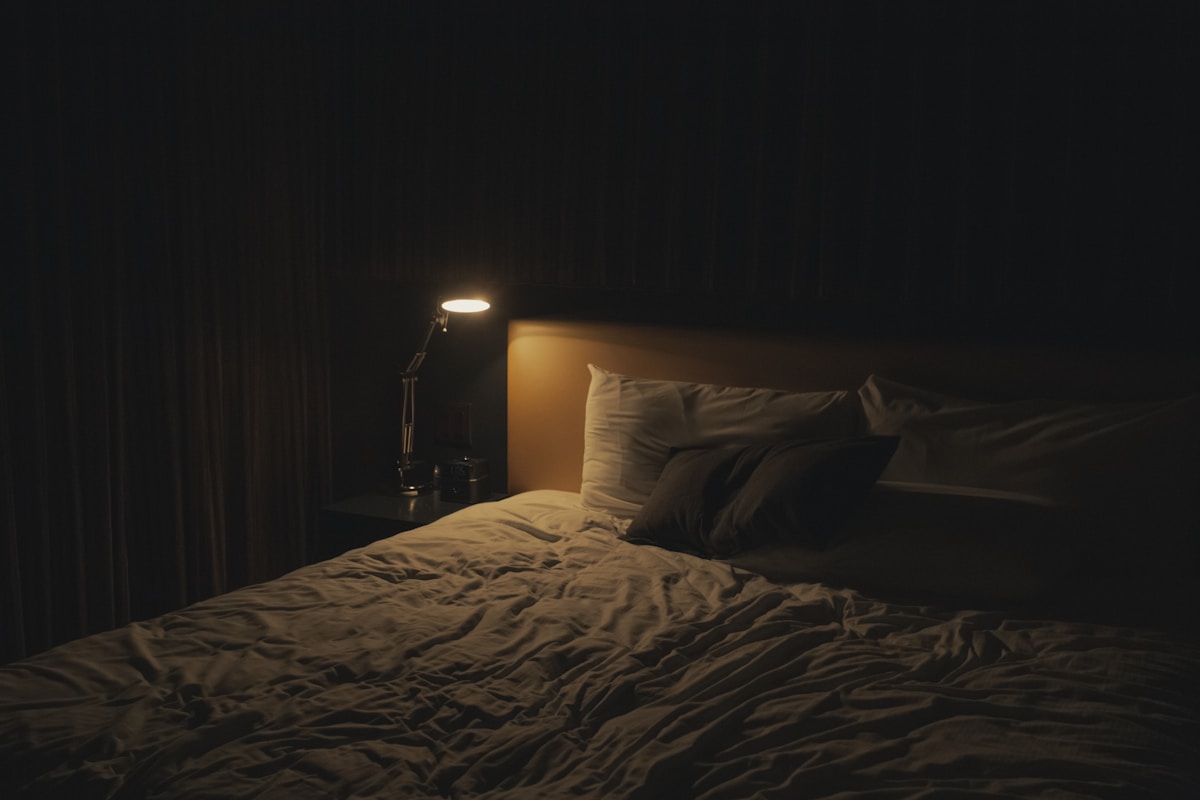
Picture this: It’s 2 AM, and you’re lying in bed, wide awake. The street light outside is casting an annoying glow through your thin curtains. Your neighbor’s dog is barking intermittently, and you’re too warm under the covers but too cold without them. Sound familiar? You’re not alone in this midnight struggle — millions of people toss and turn each night, unaware that their sleep environment might be sabotaging their rest.
The Simple Shift That Changes Everything
What if I told you that three simple adjustments to your bedroom could be the game-changer you’ve been searching for? Making your sleep environment cool, dark, and quiet isn’t just a nice-to-have luxury — it’s a scientifically-backed foundation for restorative sleep that can transform your days and your health.
This isn’t about expensive mattresses or fancy gadgets. It’s about understanding how your environment works with your body’s natural sleep mechanisms and making targeted changes that create the perfect conditions for deep, rejuvenating rest.
The Science Behind Your Sleep Sanctuary
Your body is an incredible sleep machine, but it needs the right conditions to work its magic. Think of your bedroom as a concert hall — every element needs to be perfectly tuned for the best performance.
Temperature: Your Body’s Natural Thermostat
As bedtime approaches, your core body temperature naturally drops by about 1-2 degrees Fahrenheit. This cooling process signals to your brain that it’s time to sleep, triggering the release of melatonin, your body’s natural sleep hormone. When your room is too warm, you’re essentially fighting against this biological process.
Research shows that the optimal sleep temperature falls between 60-67°F (15-19°C). In this range, your body doesn’t have to work overtime to regulate its temperature, allowing energy to be redirected toward the restorative processes that happen during sleep — like memory consolidation, tissue repair, and immune system strengthening.
Darkness: Your Brain’s Sleep Signal
Light is your circadian rhythm’s master controller. Even small amounts of light can suppress melatonin production by up to 50%. Your brain interprets any light — whether from streetlights, electronics, or early morning sun — as a signal to stay alert and awake.
Think of darkness as your brain’s “off switch.” When your environment is truly dark, your pineal gland can properly produce melatonin, helping you not only fall asleep faster but also achieve deeper, more restorative sleep stages.
Quiet: Protecting Your Sleep Cycles
While you sleep, your brain continues to process sounds, even when you’re not consciously aware of them. Sudden noises can cause micro-awakenings that fragment your sleep cycles, preventing you from reaching the deep sleep stages where the most restoration occurs.
Consistent, gentle sounds (like white noise) can actually help by masking disruptive noises and creating a sound cocoon that protects your sleep throughout the night.
Your Easy Start Action Plan
Ready to transform your bedroom into a sleep sanctuary? Start with these simple steps:
Week 1: Master the Temperature
- Set your thermostat to 65°F (18°C) an hour before bedtime
- Use breathable, natural fiber bedding like cotton or bamboo
- Try the “one layer rule” — use bedding you can easily add or remove
Week 2: Create Your Dark Cave
- Invest in blackout curtains or use aluminum foil as a temporary solution
- Cover or remove electronic displays (alarm clocks, chargers, TVs)
- Use an eye mask if complete darkness isn’t possible
Week 3: Establish Your Quiet Zone
- Identify your main noise disruptors (traffic, neighbors, partner’s snoring)
- Try earplugs designed for sleeping (foam or silicone options)
- Consider a white noise machine, fan, or smartphone app for consistent background sound
Making It Stick: From Action to Habit
Troubleshooting Common Challenges:
“I get too cold at 65°F”: Start at 68°F and gradually decrease by one degree each week. Add an extra blanket that you can easily kick off if needed.
“Blackout curtains are too expensive”: Use heavy blankets, cardboard, or even garbage bags taped over windows as temporary solutions while you save for proper curtains.
“My partner likes it warmer/brighter/quieter”: Compromise with separate blankets, a sleep mask for the light-sensitive partner, and earplugs for the noise-sensitive one.
Building Consistency:
Create a “bedroom audit” routine. Once a week, assess your sleep environment:
- Is the temperature consistent?
- Are there new light sources to address?
- Have any new noise patterns emerged?
Track your sleep quality using a simple 1-10 scale each morning. Notice patterns between your environment changes and sleep quality scores.
Gradual Upgrades:
Start with the changes that cost nothing (adjusting temperature, using existing items to block light). As you experience improvements, gradually invest in better solutions like quality blackout curtains, a good white noise machine, or temperature-regulating bedding.
Envision Your New Reality
Fast-forward three months: You’re that same person, but now your bedtime routine includes checking that your room is perfectly cool, dark, and quiet. As you slip into bed, your body immediately recognizes these cues and begins its natural wind-down process.
You fall asleep within 15 minutes instead of lying awake for an hour. You sleep deeply through the night, waking refreshed instead of groggy. Your energy levels are stable throughout the day, and you find yourself naturally tired at bedtime instead of wired and restless.
The street light is still there, but your blackout curtains keep it out. The neighbor’s dog might still bark, but your white noise machine masks the sound. You might still be stressed about tomorrow’s presentation, but your cool, dark, quiet sanctuary signals to your body that it’s time to rest and restore.
Your bedroom has become more than just a room — it’s your nightly reset button, your refuge from the world, and your foundation for better health. These simple environmental changes don’t just improve your sleep; they improve your life.
Your Next Step: Tonight, before you go to bed, take five minutes to assess your sleep environment. What’s one small change you can make right now? Start there, and let your body show you just how powerful the right environment can be.