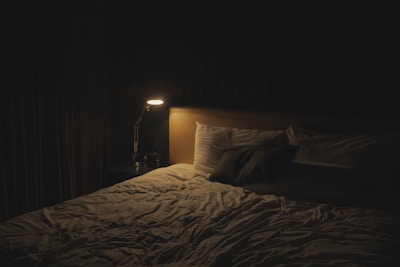

Picture this: it is 11 p.m., and you are wide awake, scrolling through your phone while your heart quietly beats in protest after the espresso, the nightcap, and the late-night leftovers. Tomorrow’s early meeting feels like an oncoming storm, yet sleep refuses to arrive. If that scene feels familiar, your evening menu might be the hidden culprit behind restless nights.
A Relatable Scenario
Sleep struggles rarely start in the bedroom. They begin hours earlier, when we reach for a second latte to power through emails, light a cigarette on the porch, or order takeout that arrives just before primetime TV. Alcohol sneaks in too, offering the illusion of relaxation before it fragments deep sleep. These choices seem harmless in the moment, but collectively they keep your nervous system revved and your digestion working overtime. The result? You crawl into bed at a reasonable hour and still feel wired, bloated, or both.
Introducing a Simple Shift
The game-changer is surprisingly straightforward: give your body a generous buffer—about three to four hours—between stimulating substances or heavy foods and your pillow. That means cutting off caffeine and nicotine by late afternoon, planning dinner for the early evening, and saving alcohol for weekend brunch or skipping it altogether. This simple timeline shift allows your brain chemistry, digestive system, and heart rate to downshift naturally. You are not adding a complicated new routine; you are simply moving what you already consume to earlier in the day so your built-in sleep mechanisms can do their job.
The Science Behind the Magic
Caffeine blocks adenosine, the neurotransmitter that accumulates during the day to signal sleep pressure. With a half-life of roughly five hours, that 4 p.m. cold brew can still be cruising through your system at midnight. Nicotine acts as an excitatory stimulant, increasing heart rate and triggering cortisol, the body’s alertness hormone. Heavy meals demand blood flow for digestion, raising core body temperature just when it should be dropping for optimal sleep. Alcohol sedates you initially but disrupts rapid eye movement (REM) sleep, the stage tied to emotional processing and memory consolidation. When these inputs pile up, your sleep architecture shifts: less deep sleep, more awakenings, and a groggy morning that demands—you guessed it—more caffeine. Giving your system a runway free of stimulants brings adenosine levels back into balance, lowers cortisol, and allows melatonin to rise on schedule.
Your Easy Start Action Plan
Change can feel daunting, so focus on the first tiny steps:
- Choose a cutoff time today. Circle a time on your planner—say, 2 p.m. for caffeine and 7 p.m. for dinner—and treat it like an appointment with your future self.
- Swap in a calming beverage. Keep herbal tea, sparkling water with citrus, or warm almond milk ready for evening cravings.
- Plan a lighter dinner template. Think grilled salmon with quinoa and greens or a lentil soup with crusty bread—all satisfying without weighing you down.
These starter moves prove you can enjoy your favorite flavors earlier while still closing the day with something soothing.
Making It Stick: From Action to Habit
Consistency thrives on systems. Set a recurring reminder on your phone labeled “sleep fuel cut-off.” If social gatherings tempt you, reinterpret the occasion: volunteer as the designated mocktail mixologist or bring a dessert fruit platter so you can indulge without the sluggishness. Keep a simple log for one week, rating your sleep quality and noting what you consumed after 5 p.m. Patterns emerge quickly and make the payoff tangible. If cravings strike, address the root: are you bored, stressed, or dehydrated? A short walk, a quick stretch session, or a mindfulness app can scratch that itch without derailing your sleep. Finally, communicate your plan with roommates or family so they can support earlier dinners or choose cafes with decaf options.
Envision Your New Reality
Fast forward a month. You glide through your evening routine, kitchen lights dimmed, hands wrapped around a chamomile mug. Your body feels unhurried, your breath deep, and sleep arrives within minutes of hitting the pillow. Morning finds you refreshed enough to skip the emergency triple shot and savor a normal breakfast instead. That energized version of you is absolutely within reach. Start tonight by protecting the final hours before bed, and invite your body to recover the way it has always wanted to. Commit to one stimulant-free evening this week, notice the difference, and let that win be your springboard to consistent, restorative sleep.