If you have ever sworn off sweets in the morning only to be elbow-deep in a cookie jar by mid-afternoon, you are not alone. Added sugar hides in more places than our sweet tooth suspects, and it loves to hijack the day right when we need steady focus.
The good news? A few intentional swaps can calm that sugar roller coaster and leave you feeling more nourished than deprived. Limiting added sugars is less about saying “no” and more about inviting the foods that help you feel like your best self.
Why Added Sugars Sneak In
Most of us do not drizzle spoonfuls of sugar on everything. Instead, the extra gram or two slides into coffee creamers, flavored yogurts, salad dressings, and even supposedly wholesome snack bars. Food makers lean on sugar to boost shelf life and spark that “just one more bite” response.
Researchers estimate that nearly 60% of packaged foods contain some form of added sugar. The body metabolizes these sweeteners quickly, causing glucose to spike before crashing, so the brain rings the alarm for more fast energy. That cycle fuels afternoon slumps, irritability, and overeating.
Beyond the day-to-day slumps, a high added-sugar diet keeps chronic inflammation simmering in the background. Over time, persistent inflammation can stress blood vessels, tax immune defenses, and nudge metabolic markers higher. Spotting the sources lets you dial that pressure down.
The Benefits Your Body Feels
When you rein in added sugars, you give your metabolism space to work the way it was designed. Here are four standout benefits that research consistently highlights:
- Steadier energy and focus. By choosing complex carbs and proteins over sugary quick fixes, you slow digestion and smooth out blood glucose swings. Stable glucose supports clearer thinking and steadier moods.
- Happier heart health. Excess sugar encourages the liver to produce triglycerides. Cutting back supports healthy blood pressure and lowers plaque risk.
- Better gut resilience. A sweetener-heavy diet can disrupt helpful gut bacteria. Leaning into whole foods and fiber feeds the microbes that keep digestion resilient.
- Easier weight management. Sugary drinks alone are linked to higher calorie intake without fullness. Replacing them with fizzy water or lightly sweetened tea keeps hunger cues trustworthy.
As blood sugar steadies, sleep often improves, which regulates appetite the next day. With fewer inflammatory compounds circulating, recovery feels smoother—the ripple effect that makes this habit worth repeating.
Daily Game Plan For Cutting Sugar
You do not need a complete pantry overhaul. Start with small, high-impact tweaks that fit your routine:
- Audit your drinks first. Swap soda, sweetened coffee, and energy drinks for sparkling water with citrus, cold-brew with a splash of milk, or unsweetened iced tea. Liquids deliver sugar fastest, so this single change can slash intake nearly in half.
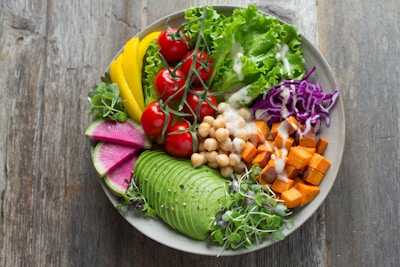
- Build balanced meals. Aim for the trio of fiber, protein, and healthy fat at every meal. Think oatmeal topped with chia seeds and almonds, or a grain bowl layered with lentils, roasted veggies, and tahini dressing.
- Read labels with curiosity. Added sugars appear under names like agave syrup, brown rice syrup, and evaporated cane juice. If sugar shows up in the first three ingredients, reach for a different option or scale back the portion.
- Satisfy sweetness naturally. Fresh fruit, cinnamon, vanilla, and citrus zest bring flavor without the crash. Blend frozen berries into yogurt or top toast with mashed banana and a sprinkle of nutmeg.
- Prep snacks you are excited to eat. Keep roasted chickpeas, hummus with veggies, or lightly salted nuts ready. When nourishing options are visible, convenience stops pushing you toward sugary processed snacks.
Consistency matters more than perfection. Use these steps as building blocks and add new habits once the earlier ones feel automatic.
Navigating Real-World Obstacles
Cravings, social events, and busy weeks happen. Planning for them keeps you moving forward instead of feeling like you slipped up.
Cravings often signal that your last meal lacked balance or that you are thirsty. Try drinking water and adding a mini-meal with protein and fiber, such as apple slices with peanut butter, before reaching for candy. If the craving persists, choose a mindful portion, savor it slowly, and move on.
Social gatherings can be tricky, especially when dessert is the centerpiece. Offer to bring a dish that fits your goals, like a fruit-forward salad or yogurt parfait bar, and focus conversations on the people rather than the buffet.
Busy schedules tempt us to rely on convenience foods. Batch-cook a pot of quinoa, roast a tray of vegetables, or portion smoothie packs on calmer days so grab-and-go still aligns with your goals.
Keep your mindset flexible. Progress happens in trends, not absolutes. If a hectic day nudges you toward extra sugar, treat it as feedback, note what support you needed, and adjust for tomorrow.
Wrap-Up: Savor the Sweet Wins
Limiting added sugars is a powerful way to stabilize your energy, protect your heart, and feel more in control of cravings. The shift does not require perfection; it thrives on awareness, simple swaps, and self-kindness. Every time you choose a balanced snack or skip a sugary drink, you reinforce the message that your long-term well-being matters.
Give yourself a week to experiment with the strategies that feel most doable, track how your body responds, and celebrate each win. Ready to keep the momentum going? Commit to one sugar-light swap today, and share your favorite discovery with a friend who could use a sweeter kind of support.