Picture this: you’re standing in the grocery store, overwhelmed by protein options and wondering how to make your meals more nutritious without breaking the bank. While you might gravitate toward expensive cuts of meat or trendy superfood powders, there’s a humble food group sitting quietly on the shelves that could revolutionize your health — legumes.
Beans, lentils, and chickpeas might seem ordinary, but these nutritional powerhouses pack more health benefits per dollar than almost any other food. If you’re not already eating a bean-based meal at least once a week, you’re missing out on one of the simplest ways to boost your overall wellness.
The Hidden Health Challenge Most of Us Face
In our fast-paced world, many of us struggle with two major nutritional gaps: getting enough quality protein and consuming adequate fiber. The average American eats only about half the recommended daily fiber intake, while many people rely too heavily on animal proteins, missing out on the unique benefits that plant-based proteins provide.
This creates a perfect storm for digestive issues, unstable blood sugar, increased inflammation, and higher risks of chronic diseases. The solution? A weekly date with legumes.
Five Powerful Ways Legumes Transform Your Health
1. Complete Protein That Builds and Repairs
Contrary to popular belief, you don’t need meat to get high-quality protein. A single cup of cooked lentils contains about 18 grams of protein — that’s nearly a third of your daily needs. When combined with grains (think beans and rice), legumes provide all nine essential amino acids your body can’t make on its own.
This plant-based protein is particularly gentle on your kidneys and doesn’t come with the saturated fat baggage that some animal proteins carry. Your muscles get what they need to recover and grow, while your heart stays happy.
2. Fiber That Keeps Everything Running Smoothly
Here’s where legumes really shine. One cup of black beans delivers a whopping 15 grams of fiber — that’s more than half your daily target in a single serving. This fiber works like a gentle broom, sweeping through your digestive system and keeping everything moving efficiently.
But the benefits go far beyond regularity. This fiber feeds the beneficial bacteria in your gut, creating a thriving microbiome that supports immunity, mood regulation, and even weight management. It’s like giving your gut garden the best fertilizer possible.
3. Blood Sugar Stability That Lasts Hours
Unlike refined carbohydrates that send your blood sugar on a rollercoaster ride, legumes provide steady, sustained energy. Their combination of protein, fiber, and complex carbohydrates means glucose enters your bloodstream gradually, preventing those afternoon energy crashes.
This stable blood sugar response helps reduce cravings, supports better focus, and may lower your risk of developing type 2 diabetes over time. It’s like switching from a flickering candle to a steady lighthouse beam for your energy levels.
4. Heart Health That Builds Over Time
Studies consistently show that people who eat legumes regularly have lower cholesterol levels and reduced risk of heart disease. The soluble fiber in beans helps escort cholesterol out of your body, while potassium supports healthy blood pressure.
Even more impressive, research suggests that eating legumes just four times per week can reduce your risk of heart disease by up to 22%. That’s a significant return on investment for such a simple dietary change.
5. Weight Management Without Restriction
Legumes have a unique ability to help you feel satisfied without overeating. The combination of protein and fiber triggers satiety hormones that tell your brain “we’re good here” long before you’ve consumed excessive calories.
This isn’t about restriction — it’s about satisfaction. You’ll naturally find yourself reaching for fewer snacks and feeling content with appropriately-sized meals when legumes are part of your regular rotation.
Your Practical Guide to Legume Success
Start Small, Think Weekly
Don’t overwhelm yourself by trying to eat beans every day. Start with one bean-based meal per week. Maybe it’s Meatless Monday with lentil soup, or Wednesday night chickpea curry. Pick a day and make it your legume day.
Master the Basics First
Begin with these beginner-friendly options:
- Canned beans (just rinse them to reduce sodium)
- Red lentils (cook in 20 minutes, no soaking required)
- Hummus (yes, it counts!)
- Bean-based pasta (an easy swap for regular pasta)
Batch Cook for Convenience
Spend one Sunday afternoon cooking a big pot of beans or lentils. Portion them into containers and use throughout the week in salads, soups, or as quick side dishes. Future you will thank present you for this gift of convenience.
Flavor is Your Friend
Bland beans are boring beans. Experiment with:
- Mediterranean flavors: garlic, olive oil, tomatoes, herbs
- Mexican inspired: cumin, chili powder, lime, cilantro
- Indian spices: turmeric, ginger, garam masala
- Simple classics: onions, bay leaves, salt, pepper
Overcoming Common Legume Obstacles
”But They Give Me Gas!”
This is the most common concern, and it’s valid. Start with smaller portions (½ cup instead of a full cup) and gradually increase as your digestive system adapts. Soaking dried beans and discarding the soaking water can also help reduce gas-producing compounds.
Certain legumes are gentler than others — try lentils, black-eyed peas, or mung beans first if you’re particularly sensitive.
”I Don’t Have Time to Cook Dried Beans”
Canned beans are perfectly nutritious and incredibly convenient. A 15-minute meal using canned beans beats no beans at all. You can also use a pressure cooker or slow cooker to make dried bean preparation hands-off.
”My Family Won’t Eat Them”
Sneak them in gradually. Try adding white beans to pasta sauce (they’ll barely be noticed), or make black bean brownies for dessert. Sometimes the best approach is stealth nutrition until everyone’s taste buds adapt.
”They’re Boring”
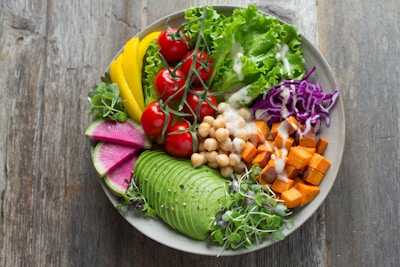
This usually means they need more seasoning or better preparation methods. Roasted chickpeas with spices make a crunchy snack. Bean salads with fresh herbs and vinaigrette are refreshing. Explore different cuisines — nearly every culture has delicious legume dishes.
Making Your Legume Commitment
Starting this week, choose one day to enjoy a legume-based meal. It doesn’t have to be fancy — even a simple bowl of refried beans with cheese and salsa counts. The goal is consistency, not perfection.
Your body will begin adapting within days, your gut bacteria will flourish within weeks, and your long-term health markers will improve over months. This simple weekly habit is like making regular deposits in your health savings account.
The beautiful thing about legumes is that they’re patient. They’ll wait on your pantry shelf until you’re ready to embrace their potential. But why wait? Your healthiest, most energetic self is just one bean-based meal away.
Ready to power up with legumes? Pick your day, choose your bean, and take the first step toward better health. Your future self — and your wallet — will thank you.