Picture this: You’re sitting in your car after a particularly challenging day at work, your shoulders hunched up near your ears, your jaw clenched tight, and your mind racing through tomorrow’s endless to-do list. Your heart is beating a little too fast, and that familiar knot in your stomach tells you that stress has officially moved in and made itself comfortable.
Sound familiar? We’ve all been there. In our fast-paced world, stress and anxiety can feel like unwelcome passengers that never seem to get off at their stop.
Introducing a Simple Shift: Your Built-In Stress Relief System
Here’s what might surprise you: you already carry the most powerful stress-busting toolkit with you everywhere you go. No apps to download, no equipment to buy, and no monthly subscriptions required. Deep breathing exercises and progressive muscle relaxation are like having a reset button for your nervous system that you can press anytime, anywhere.
These aren’t just feel-good wellness trends. They’re scientifically proven techniques that can shift your body from panic mode to peace mode in just a few minutes. Think of them as your personal stress emergency kit, always ready when you need it most.
The Science Behind the Magic
To understand why these techniques work so well, let’s take a peek at what’s happening inside your body when stress strikes.
When you’re stressed or anxious, your sympathetic nervous system kicks into high gear. This is your body’s ancient alarm system, designed to help you escape from saber-toothed tigers. Your heart rate speeds up, your breathing becomes shallow, your muscles tense up, and stress hormones like cortisol flood your system. It’s like your body’s fire alarm going off, even when the “emergency” is just a challenging email or a looming deadline.
Deep breathing works like a direct message to your nervous system, telling it to switch from alarm mode to calm mode. When you take slow, deliberate breaths, you’re activating your parasympathetic nervous system - your body’s natural “rest and digest” response. It’s like flipping a switch that says, “False alarm, we’re safe now.”
Progressive muscle relaxation works differently but equally effectively. By systematically tensing and then releasing different muscle groups, you’re helping your body physically let go of the stress it’s been holding. Think of it like unclenching a fist you didn’t realize you were making. When your muscles relax, your mind follows suit.
Research shows that regular practice of these techniques can actually rewire your brain’s response to stress, making you more resilient over time. It’s like building a muscle - the more you practice, the stronger your calm-response becomes.
Your “Easy Start” Action Plan
Ready to give your nervous system the reset it’s been craving? Here’s how to get started with just a few simple steps:
Simple Deep Breathing Technique (2-3 minutes):
-
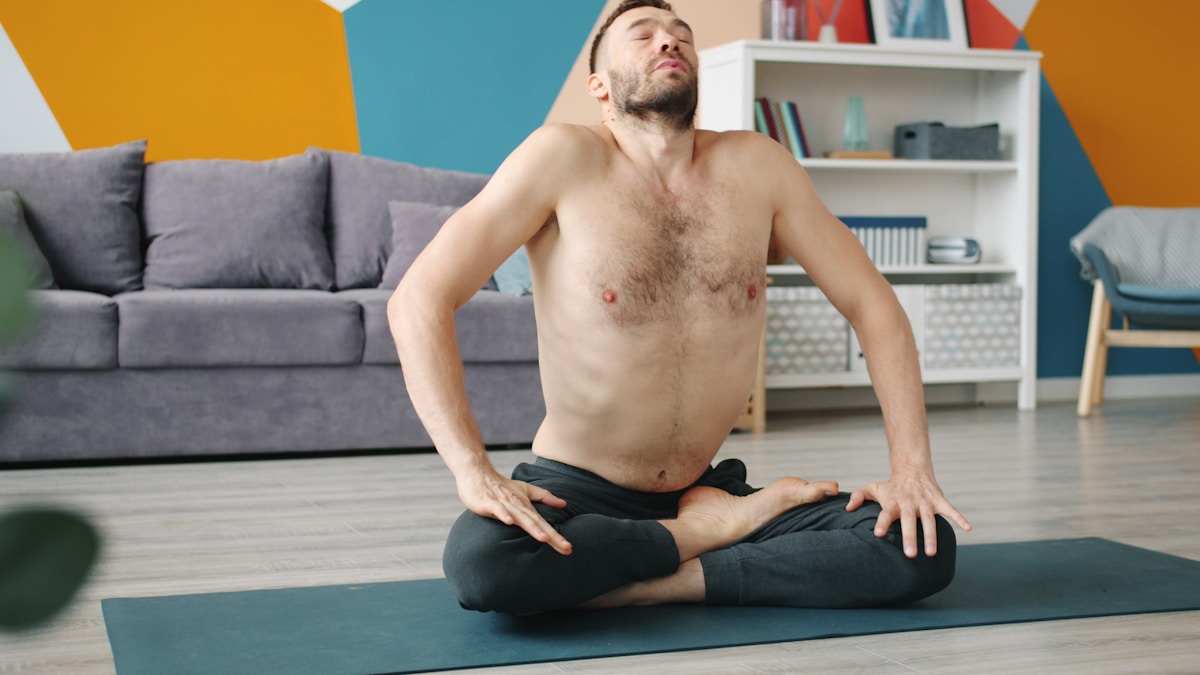
Find your position: Sit comfortably or lie down. Place one hand on your chest, the other on your belly.
-
The 4-4-4 pattern: Breathe in through your nose for 4 counts, hold for 4 counts, then exhale through your mouth for 4 counts. The hand on your belly should rise more than the one on your chest.
-
Start small: Begin with just 5-6 breath cycles. That’s it! You can always do more, but don’t overwhelm yourself starting out.
Basic Progressive Muscle Relaxation (5-7 minutes):
-
Start with your toes: Tense your toe muscles for 5 seconds, then release and notice the relaxation for 10 seconds.
-
Work your way up: Move to your calves, thighs, glutes, abdomen, hands, arms, shoulders, and finally your face muscles.
-
The magic is in the contrast: The key is creating that noticeable difference between tension and relaxation.
The beauty of these techniques is their flexibility. Stuck in traffic? Try the breathing exercise. Can’t sleep? Progressive muscle relaxation might be your new best friend. Feeling overwhelmed at work? A quick breathing session in the bathroom can be a game-changer.
Making It Stick: From Action to Habit
Like any skill worth having, consistency is key. Here are some strategies to help these techniques become second nature:
Anchor it to existing habits: Pair your practice with something you already do daily. Try deep breathing while your morning coffee brews, or progressive muscle relaxation as you wind down for bed.
Start ridiculously small: Success breeds success. Five deep breaths is infinitely better than the 20-minute session you never get around to doing.
Use triggers wisely: Notice your stress signals - tight shoulders, shallow breathing, clenched jaw - and let them become cues to practice your techniques. Instead of ignoring these signals, welcome them as reminders to take care of yourself.
Be patient with yourself: Some days these techniques will feel like magic, other days they might feel harder. This is completely normal. Your nervous system is learning new patterns, and that takes time.
Track your wins: Notice the small improvements - maybe you sleep better, feel less reactive to minor annoyances, or find it easier to refocus after stressful moments.
Common troubleshooting: If your mind wanders during practice, that’s not failure - that’s just what minds do. Gently bring your attention back to your breath or the muscle group you’re working on. Think of it like training a friendly puppy; patience and gentle redirection work better than frustration.
Envision Your New Reality
Let’s revisit that scenario from the beginning. You’re sitting in your car after that same challenging day, but this time you notice your shoulders starting to creep up toward your ears. Instead of letting stress take over, you take a moment to practice your breathing technique.
Four counts in through your nose, feeling your belly rise. Hold for four. Four counts out through your mouth, letting your shoulders drop with the exhale. Within just a few breath cycles, you feel that familiar knot in your stomach start to loosen. Your heart rate slows, your mind clears, and you realize you’re ready to transition from work mode to home mode with intention rather than stress.
This isn’t wishful thinking - this is what happens when you give your nervous system the tools it needs to regulate itself. You’re not just managing stress; you’re building resilience, creating space between challenging moments and your reactions, and developing a superpower that serves you for life.
The most beautiful part? These techniques become more effective with practice. Each time you use them, you’re strengthening your ability to find calm in the storm, to respond rather than react, and to treat yourself with the kindness you deserve.
Your challenge: Try just one 4-4-4 breathing cycle right now as you finish reading this. Notice what happens. That’s your nervous system saying “thank you” - and it’s just the beginning of what’s possible when you make friends with your breath and learn to help your body truly relax.